
Have you ever felt a sharp, burning sensation from your lower back down your leg, or noticed numbness after sitting too long? At Hanley Chiropractic Healthcare Inc in Beavercreek, OH, we’ve seen how fleeting discomfort can evolve into ongoing sciatica symptoms if risk factors are ignored. For patients, knowing what increases their chance of sciatic nerve irritation makes back pain treatment more effective and helps work toward lasting relief rather than repeated flare-ups.
Why Does Sciatica Matter?
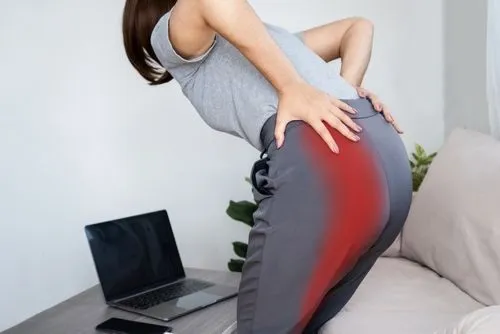
Sciatica occurs when the sciatic nerve is irritated, compressed, or inflamed, causing pain that radiates from the lower back down the leg rather than staying localized in one spot. This differs from general back pain and often requires specific sciatica treatment in order to reduce nerve pressure and restore normal movement patterns. Early awareness of risk factors allows you to take proactive steps before symptoms become frequent or severe.
Natural Wear on the Spine
One common risk factor is age-related degeneration. As we get older, spinal discs can wear down, bulge, or herniate, increasing the likelihood that they press on spinal nerves, including the sciatic nerve. Bone spurs and spinal stenosis can also contribute to nerve irritation over time, especially in adults over forty. Awareness of these changes can prompt earlier evaluation and care planning.
Impact of Daily Posture Patterns
Your job or daily routine can elevate your risk of sciatica. Prolonged sitting, especially without frequent breaks, can compress discs and nerves. Similarly, jobs involving heavy lifting, repetitive bending, or twisting strain the lower back and increase the chance of nerve impingement. Even seemingly harmless desk habits can add up over hours and years, making regular movement and proper ergonomics essential.
Body Weight and Fitness Level
Excess body weight places additional stress on the lower spine, making disc injuries and nerve irritation more likely. A sedentary lifestyle compounds this risk by weakening core muscles that support spinal alignment. Strengthening exercises and maintaining a healthy weight are often recommended as part of a comprehensive sciatica prevention strategy.
Underlying Medical Conditions
Certain health issues, such as herniated discs or degenerative spinal conditions, directly increase the likelihood of sciatica. Conditions that affect nerve health, including diabetes and chronic inflammation, may also make nerves more sensitive and prone to irritation. Managing these conditions, with the help of our team, reduces the risk of sciatica and supports overall spine health.
Preventing and Treating Symptoms
At Hanley Chiropractic Healthcare Inc, we evaluate your spine holistically to identify contributing factors so that your care addresses both symptoms and causes. Treatments such as spinal decompression reduce nerve compression and create space for discs to heal, while adjustments restore alignment and movement patterns that support long-term relief. Our chiropractor, Dr. Stuart Hanley, works with you to monitor changes and adapt your back pain treatment plan as needed.
Take the Next Step Toward Relief
If you are noticing recurring pain, numbness, or discomfort that may suggest sciatica, don’t wait to seek professional care. Call Hanley Chiropractic Healthcare Inc at (937) 426-4545 to schedule an appointment with our trusted chiropractor near you in Beavercreek, OH. Dr. Hanley will assess your symptoms, explain your personalized sciatica treatment options, and help you build a plan to improve comfort and function.